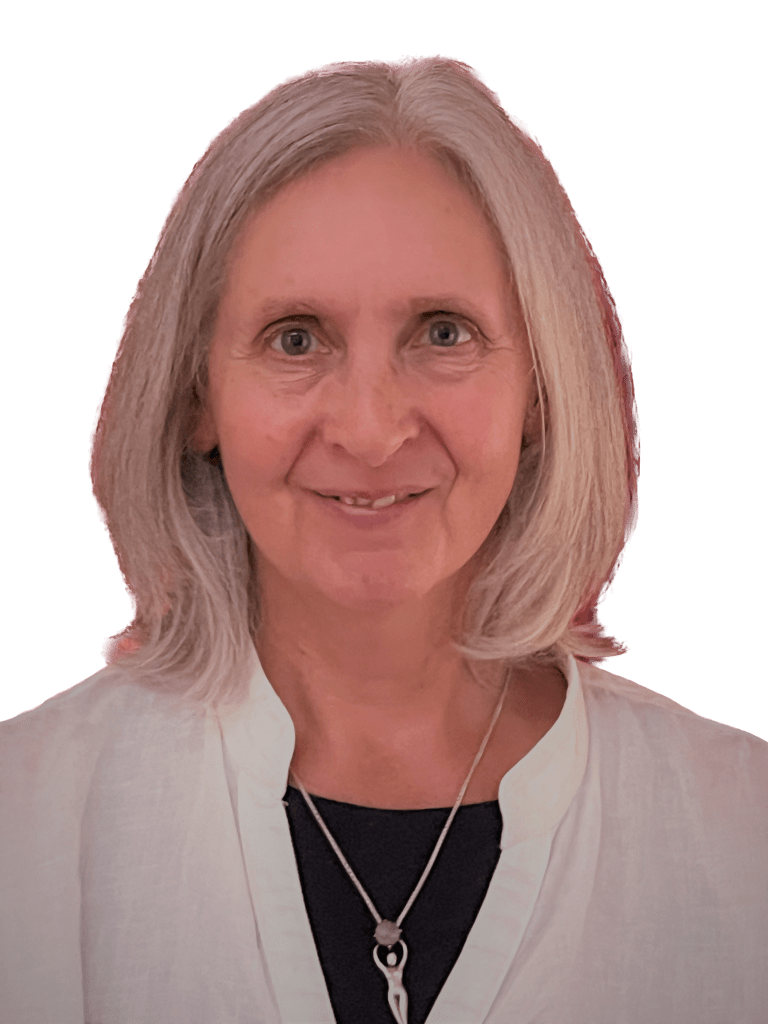
Featured Writer: Elizabeth Jackson

Elizabeth writes:

I have been in one of Catharine’s memoir writing groups since Spring of 2020. This is the second time I submitted something for publication (the first was politely declined). When this essay was accepted, I still had more editing work to do and found that the suggestions from the editor of the magazine were very helpful. Submitting, so far, has helped me to take myself more seriously as a writer.  I would not have submitted without Catharine’s encouragement and the support of the other writers in my class. 

Scroll Down or Click Here to read her story about how a sibling’s struggle with mental illness strains the ties that bind.

Whose Mess? published July 24th, 2023in Please See Me

Whose Mess?

by Elizabeth Jackson

I awoke on Saturday morning and immediately remembered why I had this particular Saturday morning off. I can’t say that I was looking forward to it. I pulled on some sweats and went to the kitchen where my husband, Mitch, was already up gathering the makings for an omelet. In the middle of the table there was a vase with a bouquet of flowers and a red envelope leaning up against it. Oh right, it was also Valentine’s Day. I hugged and kissed him. “I didn’t even get you anything” I murmured in his ear.

“That’s okay, you have other things on your mind. Ready for some breakfast?”

I nodded and started the coffee brewing. “Ya, I have that other big act of love ahead of me.” I sighed.

“Are you sure you guys don’t need me? I’m willing to help”

“We’re all set, Mitch. Sit this one out.” Truthfully, I wanted to spare him the task of cleaning out my youngest brother’s apartment. Five of my siblings would be there, so we had enough hands.

After breakfast, I sat with a second cup of coffee mulling over how it didn’t feel like we were doing this job out of love but out of obligation, shame, and misplaced responsibility. Ten-minutes later when I was about to head out the door, I heard the thump of a Canadian Robin as it hit one of the sunroom windows. I shook my head and waited to see if it was dead or merely stunned. It fluttered its wings and drunkenly stood before flying off.  I left for the task ahead.

***

Garbage and something even worse than garbage; my nostrils were assaulted by the odor the second I walked into his apartment. Barely breathing while I grew accustomed to the smell, I took in the hardwood floors, the large windows covered by clean white mini-blinds, and the freshly painted walls and ceilings. Overall, it was a nice apartment though it was hard to ignore the clutter.

Four of my brothers were already there, throwing Adam’s belongings into boxes and carrying them out to the truck. Somber doesn’t begin to describe the mood. “Hi guys. What a mess, huh?” I moved through the sparsely furnished living room, where my eyes were drawn to the electric heater that I had left at his door months ago when we first learned that he had no heat. If he had been at home then, he hadn’t acknowledged me. At least he had brought it inside. Then I noticed the overstuffed green chair covered in white cat hair. It was another remnant of his life gone wrong. His fiancé had taken the cat and left when he went off his meds and she couldn’t convince him to get some help. I was dismayed to see his winter coat hanging in the closet. Did that mean he was out wandering around with no coat?

Among the textbooks and old VCR tapes on his bookshelf one title jumped out at me: Dedication at Riverview. He had been a speaker at the dedication of the renamed Augusta Mental Health Institute during his last period of recovery.

I peeked into the bedroom, where I heard Jack let out a big oomph as he tossed a heap of clothes into a box. Clothes were piled on the floor, the bare mattress and on the treadmill. Jack, looking up at me, stepped on what appeared to be a half-eaten piece of toast left on the floor “Yuck!” he yelled, bending down to pick it up. Beside the mattress, Adam’s clock radio flashed red:  4:28, 4:28, 4:28.

I caught Jack’s eye and shook my head in sympathy as I turned away, “I guess I’ll tackle the kitchen.” I was ready to find out if the stench was coming from a dead rodent or if it was simply the overflowing garbage.

Jack hollered after me, “We aren’t going to clean; we’re just going to pack up his stuff and move it out.”

I was relieved that we had made that decision, but still I questioned it. “We’re just going to leave it dirty?” I looked around the kitchen; a frying pan with congealed something that used to be food sat on one of the burners of the small white stove. Dirty dishes were piled in the sink, on the countertop and the table. The floor was littered with overflow from the trash can: crumpled paper towels, grocery store receipts, tea bags, used tissues and a shattered light bulb A small stainless-steel pot that held either rice or oatmeal sat on a hot plate, a spoon sitting in the muck as though waiting to be lifted to an open mouth. Adam’s unopened mail and stacks of newspapers were further proof of his abandoned life at this apartment.

“We took a vote,” Joe said. “We only have so much time and the landlord asked us to move his stuff out. That’s what we’re going to do.”

I had doubts about our moral obligation to take care of what Adam couldn’t or wouldn’t take care of himself. I started packing up pots and pans from the cupboards and then moved on to the refrigerator. The second I opened the refrigerator door, Joe, Luke and Craig all yelled, “No!” Too late. The stench was so unbelievably bad it sent all five of us out the door gagging.

Outside in the driveway, gulping in the cold, fresh February air, I managed to cough out, “What is in there that smells so bad?”

Luke answered, “We should have warned you sooner. I made the mistake of opening it just before you got here. I don’t know what is in there, and I don’t want to know. Craig, bent over and gasping, nodded in agreement.

After about three minutes without coats, we were all shivering. Jack, the oldest, who had come up from New Hampshire for the day, declared, “Let’s get back to it.” We headed towards the door when I saw Abby pull up out front. I waited for her to get out of her car while the guys went back inside.

She and I walked in together and I watched her eyes grow wide and her nose scrunch up as the scene assaulted her senses. “This is so fucking sad,” she moaned. I nodded in agreement as she reluctantly followed me into the kitchen. We silently boxed up what was clean and salvageable.

I kept one thing from the kitchen. It was a colorful mug that had once belonged to mom; I found it among the few clean dishes in the cupboard. It was purple with three angels in flight painted on it: one in a red dress playing a gold harp, one in celery green reaching for gold stars and one in a white dress with red polka dots, a horn to her lips. I considered briefly that it might have bad juju from being in this place where Adam had slipped so far from stability. I was really missing mom though and I needed something. I didn’t even know if I believed in angels, but I tucked it into my coat pocket. The last time Adam had spoken to any of us was at mom’s funeral three months prior.

Before I moved on from the kitchen, I noticed Adam’s backpack sitting by the backdoor. I hesitated before I picked it up. He was never without it. Maybe he just didn’t think about taking it, such was his state of psychosis. Maybe he had intended to come back. Was he taken by surprise when he did and found that all the locks had been changed? The notice to vacate was still taped to the door.

Abby moved on to another room and was helping Craig haul boxes to the truck, so I was alone holding the backpack. Taking a deep breath, I unzipped the top zipper of the faded green pack. Inside, I found three journals, every page filled with writing. The first two I looked at were neat, hand-written, dated accounts of routine, systematic entries with hardly an inkling of personal attachment:

7AM: stretch and meditate, √

7:30 AM: morning walk, √

8 AM: breakfast (with a list of what he had eaten), √

8:15 AM: shower, √

8:30 AM: leave for work, √

Page after page checklists of every day for twenty-four months. The most recent volume, which I opened last, began the same way until the date, September 12th, 2008. After that, it was eerily different. The scrawl was tiny, smudged, most of the words illegible. Gone were the measured and carefully kept records of his self-care routine. The words that I could cipher out were disturbing, dark, and written through a paranoia so evident that the feeling leapt into my psyche. I was chilled to the bone suddenly, my stomach clenched in a heavy knot. It wasn’t the inky blotches of scripture or the way he described the threat of God’s wrath, or even the mention of the mission that he had received from the secret service, it was realizing that he believed those words. There were references to President Bush and Saddam Hussein. The words “CAUTION” and “SECRECY” were printed on top of some of the writing.

I read, my heart heavy, my brain trying to shake off his reality, I just wanted to run. I didn’t want to accept just how sick Adam had become, again. I returned the journals to the backpack and put it in the pile of things we were taking to the storage unit. We could decide later where they would ultimately end up.

I moved on to the bathroom, aware of the tears that rolled down my cheeks. The stench from the kitchen lingered in my nostrils and though the bathroom wasn’t clean, it was not totally disgusting either. A tube of Tom’s toothpaste, a container of Kiss my Face shaving cream, a comb and a toothbrush sat on a small shelf over the toilet.  A roll of toilet paper, a plunger and toilet brush sat on the off-white linoleum floor. A dry brown towel hung over the shower curtain rod. I didn’t know whether to throw that stuff away or to save it. Who knew how long his stuff would be in storage? No one wants used toiletries, I told myself. I took a deep breath and tossed it all into yet another trash bag.

We had one rented truck and two other pickup trucks. We filled the rental truck first. There was little discussion as we worked, each of us doing our best to keep our pain at bay. This wasn’t the first time we had picked up the pieces of our youngest brother’s life; and some of us had done the same for our older sister many times. We were no strangers to the heartbreak and frustration that comes with loving a person who is living with schizophrenia, but we were especially raw, still mourning our dear Mom. Adam had come so far this time. I wouldn’t say that any of us of had been lulled into thinking that he would never slip back into the clutches of his disease or never go off his meds. I do think we believed we could catch him before he fell this far.

Craig, Abby, and I shared a few tears that morning, but the others held theirs in. The only emotions they let out were frustration and anger that we were in this position. Jack slammed the door every time he went outside. We heard Luke curse, “Damn, Adam!” when he found yet another plate of rotting food underneath an open book. Joe had a dogged determination to get the job done and get the hell out of there. He moved quickly, throwing packed boxes into the trucks with vengeance.

When all that remained were bags full of trash and the untouchable refrigerator, we called the landlord and went outside to wait for him to lead us to the storage unit he had rented. He was required by law to store Adam’s things for 90-days and then he could keep or sell them to recoup the unpaid rent. He was angry and justifiably so; he was out six months’ rent and had hired an attorney to get Adam officially evicted. Paul had initially reached out to Abby, who was closest in age to Adam and still lived in our old neighborhood. Most likely Paul had found her in the phone book. She was the first listed with Adam’s same last name. He had wanted to know what the family planned to do about Adam. She relayed to Paul all that we knew: Adam was off his meds, had stopped going to work, his car had been repossessed. We had seen him on the city streets and approached him, but he refused to communicate with any of us. Paul’s response had been, “So what about my rent and all his stuff?”

Abby sent a family email to fill us in and we did some research to find out if we were legally responsible in any way. We were not. The terms of us helping to clean out the apartment and store Adam’s stuff had been spelled out to Paul through Abby after we had discussed it amongst ourselves. We had contemplated it over and over. Who was responsible? Legally, Adam and the landlord; morally, it was difficult to agree whose job it was to move, store, throw away and pay for the related expenses. We’d agreed to move his stuff out.

When the landlord showed up, we waited outside while he went into the apartment. He strongly resembled the young man I remembered from growing up in this same neighborhood. He had the potential to be handsome were it not for the old acne scars and a face that showed years of alcohol use and cigarette smoking. His clear blue eyes suggested that those days might be behind him. He was tall and thin with blond hair that was graying at his temples. No doubt he had been through some pain and anguish himself. He was restrained with us, not looking at any of us directly. When he came back out of the apartment it was evident that he was pissed. He barked at us, “You’re done? You’re just going to leave the rest of it for me?”

We nodded and my brother Jack said, “We are doing you a favor by coming at all.” The landlord grunted and motioned for us to follow him as he slammed the door of his truck. When we arrived at the storage unit, Paul unlocked the unit he’d rented and disappeared. His truck was there but there was no sign of him.

We unloaded the trucks, filling the unit in no time. Paul appeared just as we were getting ready to go. Abby handed him a check and he looked at it and growled, “What’s this”? She told him it was the rent for the 1st month of the storage unit and to cover the truck he’d rented. “What about the other months?”

She was shaking as she answered, “We agreed about this on the phone. We aren’t even obligated to pay for this.”

Paul exploded. “You people think you’re doing me a favor? You left that place a mess!”

At this, Jack, Joe, and Luke all moved in closer to where Paul was standing. Joe said, “No, we didn’t leave the place a mess, Adam left the place a mess.”

Paul started yelling. “What kind of family are you? I feel sorry for Adam, living like that and no one even cared if he had heat? Poor guy is sick and none of you have even tried to get him any help. When my dad was in a bad way, we picked him up and carried him into the hospital! I rented to Adam because I knew your family grew up on the hill like I did. We’re from the same neighborhood. We’re supposed to help each other out; stick together.”

We all reacted to that, talking at once and defending ourselves: “We do care. We’ve tried so hard to get him help,” I said, fighting back tears.

“You have no idea what we’ve gone through with him, and you’ve no right to say that we are uncaring” Luke said.

“We have tried. Adam won’t let us help him,” Craig said.

But what Paul heard was what Joe said last. “Fuck that, ‘we’re all hill boys’ bullshit.”

Paul rushed him and then all five guys were right in each other’s faces. They all had clenched fists. I was shaking; torn between wanting to let my rage fly at this other victim and trying to keep my wits about me. The last thing we needed was for this to turn bloody. Abby and I both spoke at once, “take it easy, we don’t need to take this out on each other, none of us are happy about what has to be done.” Luckily, Jack took a deep breath and slowly spread his arms, holding his hands out and everybody took a step back. Paul turned, went to his truck, and gunned away. Luke and Joe were still itching for that fight. The rest of us were just spent.

We stood there without words for a second and then one by one, we hugged each other and went our separate ways. Abby and I rode back to the apartment house with Luke, all of us too numb to say much. We knew there would be time for talking later on.

Back in my own car, I turned the car radio on grateful that NPR was airing Wait, Wait don’t tell me, but even as I chuckled and responded to the questions, my body buzzed with excess adrenaline and cortisol. I knew from experience that eventually exhaustion would follow.

Once home, I started laundry and then moved on to the kitchen. I wiped down countertops, unloaded and then reloaded the dishwasher; soaked the pans from under the burners of the stove, swept the floors, emptied the trash. I didn’t call my sister, Sasha, to report in; I didn’t check my email to see if anyone else wanted to talk about it. I vacuumed and dusted, watered the plants. All the while, I couldn’t stop the conversation in my head: Should we have cleaned the place? It really felt beyond what we could handle. I was in self-preservation mode. I was maxed out on making sure things were okay for everyone else. I no longer trusted myself to be a voice of reason. Peace eluded me that day and I would not find it by replaying the day; by questioning what had already been done. I knew that yet I found myself led by this tangled string of thought. I couldn’t drop it. What was the right thing to do? Attempting to stop my monkey mind, I went to my computer and spilled it all out:

Maybe we should have hired someone to clean it. Maybe I should call Paul and apologize, try to explain what we were going through. Maybe we looked like full-fledged adults, but we currently felt like orphaned children with no parent to wisely guide us. Damn! Is it our job to take care of each other, even as adults? Damn Adam! Maybe we can just find him, tackle him, and drag him to the ER kicking and screaming. But he doesn’t want our help! Here we are spending our day moving his crap and he’s out walking the streets oblivious to the agony we feel for him.

While writing, I heard the thump of another Canadian Robin hitting the window in the sunroom. For the previous couple of weeks, my husband and I had been confounded about how to prevent these birds from slamming themselves into the windows. Juniper bushes grew along the lower edges of the tall, wide windows and the birds liked to gather there. Apparently, they saw reflections of themselves and flew straight at the windows. We tried closing the vertical blinds, piling evergreens in front of the windows, and putting stickers on the windows yet they persisted. Dumbfounded by this latest bird dive, I went back to my runaway worrying: What is this lesson I’m supposed to learn? What were Mom and Dad thinking when they had eleven kids? Didn’t they know that the odds were against us all being healthy? Having two siblings living with forms of schizophrenia was beyond our capabilities.  Does it have to be a choice between taking care of them and taking care of me? Am I supposed to sacrifice my own well-being in order to deal with the aftermath of their decisions? I am badgering myself about this! No one has the answers I’m looking for and the questions are all in my head anyway.  So went my rant, until again, a robin hit the window and seconds later another. I thought, this is insanity that they hurl themselves at the window again and again! Ironic, I thought, that insanity shows up in so many ways: Alex, off his meds, me, worrying incessantly. I put my head in my hands and sobbed.

Featured Writer: Gail Burnett

An Adult Decision

Published June, 2022 in Tangled Locks

Gail writes:

I wrote this piece about abortion in response to a call for submissions on Submittable.com. It was the first time I’d written about the experience, and submitting it led to a couple of discussions with our kids, who had been too young to know about it when it happened. It pains me to think that if I were in the same position today and lived in a different state, my path would have some boulders in it, thanks to the Supreme Court. 

An Adult Decision

The day I realized I was pregnant, I was volunteering in the library of our son’s elementary school. As I shelved books and chatted with the librarian, my face flushed, my breasts ached, and I just knew that what I’d suspected for a few days was true. Unreasonably, I thought the middle-aged librarian must know, too.

            I wasn’t a kid, wasn’t single, wasn’t a victim of anything more sinister than a dumb miscalculation of my menstrual cycle. I was a married, 38-year-old mother of two, a part-time newspaper editor, and an active member of our church. We could have afforded another baby, probably. My husband and I both grew up in families of four kids, so three didn’t seem too big. But I didn’t want another pregnancy.

            For one thing, I had a lousy track record when it came to late pregnancy. Our son was born at 32 weeks, weighing about 4 pounds and requiring CPR before he could take his first breath. When our daughter threatened to come early too, I was placed on bed rest for 10 weeks. Her delivery was complicated by high blood pressure and placenta problems and ended with a c-section.

            I didn’t want to wait and see what could go wrong the third time.

            For another, a few weeks earlier I had called the doctor because I had all the symptoms of a sinus infection. The doctor agreed to phone in a prescription for a sulfa drug but cautioned, “There’s no chance that you’re pregnant, is there?” No, of course not, I said. Later, I calculated that the start of the pregnancy coincided almost exactly with the start of the two-week course of antibiotics. I had also downed a couple of heavy-duty painkillers left over from dental surgery to treat a sore back. If I were to go through with a pregnancy now, my high-risk, “elderly” mother status would be elevated even further.

            Simply put, I didn’t want to push my luck. I had two kids and a husband who all needed me. I didn’t want to risk my health and my family’s well-being. And this was two decades after Roe v. Wade. I wasn’t my mother, who had needed my father’s permission to get an abortion near the bitter tail end of their marriage. I wasn’t my grandmother, who would have risked her life to end a pregnancy. (I heard she did that once; anyone who could confirm it now is gone.) Unlike all the generations of women before me, I was guaranteed a safe choice.

            That doesn’t mean it was easy. The nurse at my gynecologist’s office sounded surprisingly distant as she gave me two names. “We can’t actually refer you,” she said. “But there are a couple of places.” If this was legal and commonplace, I wondered, why did it feel just a little bit dirty?

            I made the call and learned that we would have to arrive with $320 cash. I would have to be counseled before making the final decision. But I was able to get an appointment quickly, just days after the pregnancy was far enough along to be reliably detected with an at-home test.

            The clinic was in a nondescript building not far from Route 1 in a suburb of Portland, Maine. Unlike the Planned Parenthood clinic in downtown Portland, it had no demonstrators parked outside with pictures of fetuses and signs asking any woman who approached to “save your baby.” We signed in, waited, then had a brief interview with a sympathetic worker.

            “Have you considered adoption?” she asked.

            “No, if we wanted to have another baby, we’d have it ourselves,” I answered.

            My husband gently jogged my foggy brain: “She means putting this baby up for adoption.”

            “Oh — no” I said, slightly embarrassed. I was an adult in the 1990s, not a high school sophomore in the 1960s. If I were going to go through a pregnancy, it would be to have another baby of our own. But that wasn’t happening now.

            The doctor was gentle and efficient, and the procedure was over in little time. I remember about the same level of discomfort as a routine pelvic exam, followed by a bit of cramping. I thanked the doctor for persevering in an unpopular but necessary line of work. He gave a tired smile.

            My husband was tender and caring, cushioning me from most of the harshness of the situation. But as he drove us the final bend toward home, I started to cry. Because I’d been pregnant before, I knew this was pregnancy hormones already at work. Alongside the relief and the certainty that we’d done the right thing sat the biological trigger that had been partially sprung — the trigger that enables mothers to go through months of discomfort and all kinds of pain for the sake of a baby they’re going to love.

            If some self-righteous protester had confronted me outside the clinic, I would have been tempted to spit in their face. This was the definition of a personal decision, none of anybody else’s damn business. But there was no way around it entirely: We could have had kid number three and we didn’t. It was a sad business and always will be.

POEM: Those Days

Those Days

Funny the things I remember, my son.
These days it’s the bend and beauty of
your small fingers
tipped in reassuring glow of nails
luminous like bone.

The way they arched when you spoke
like the brows above your eyes
raised when you asked me

everything.

The way those fingers lay at night before we slept
across the hollow at the center of my neck.


You always said how much
you loved me

even more so
in those days before you died
when it hurt to move at all
but still you had to drag your
bone-thin arms up each night
to touch and hold your mama.

-Catharine H. Murray

New Play: What We Get to Keep to Open Conversation on GRIEF this Sunday, September 17th, 2 PM at The Hill Arts in Portland, Maine.

On Sunday afternoon, September 17th, I will be a facilitator for the Talk It Out after the live performance of this play written by Roland Tec and Directed by Suze Allen.

Exploring themes of friendship, parenting, and sexuality, the script exposes the ragged edges of grief after the loss of a child. The work is powerful, and I can’t wait to see it come alive on stage.

Afterward, I will be one of several guests sharing insights on grief and leading the audience-participation conversation.

I would love to see you there! For more information and to reserve tickets, click HERE. Notice the “pay what you can” option when you purchase your tickets.

The play will be at showing through September 23rd at The Hill Arts, formerly St. Lawrence Arts on Munjoy Hill in Portland, Maine.

“At its core What We Get to Keep is an exploration of grief, long-held secrets, simmering unspoken resentments and the ways in which loss held too privately and for too long can drive a wedge between two people regardless of how much they may have once loved one another.”  -Roland Tec, Writer

“It is our hope that What We Get to Keep will generate vital communication and help all of us to engage in compassionate, open, truthful and bold dialogue with those folks in our lives and on the periphery.” –Suze Allen, Director

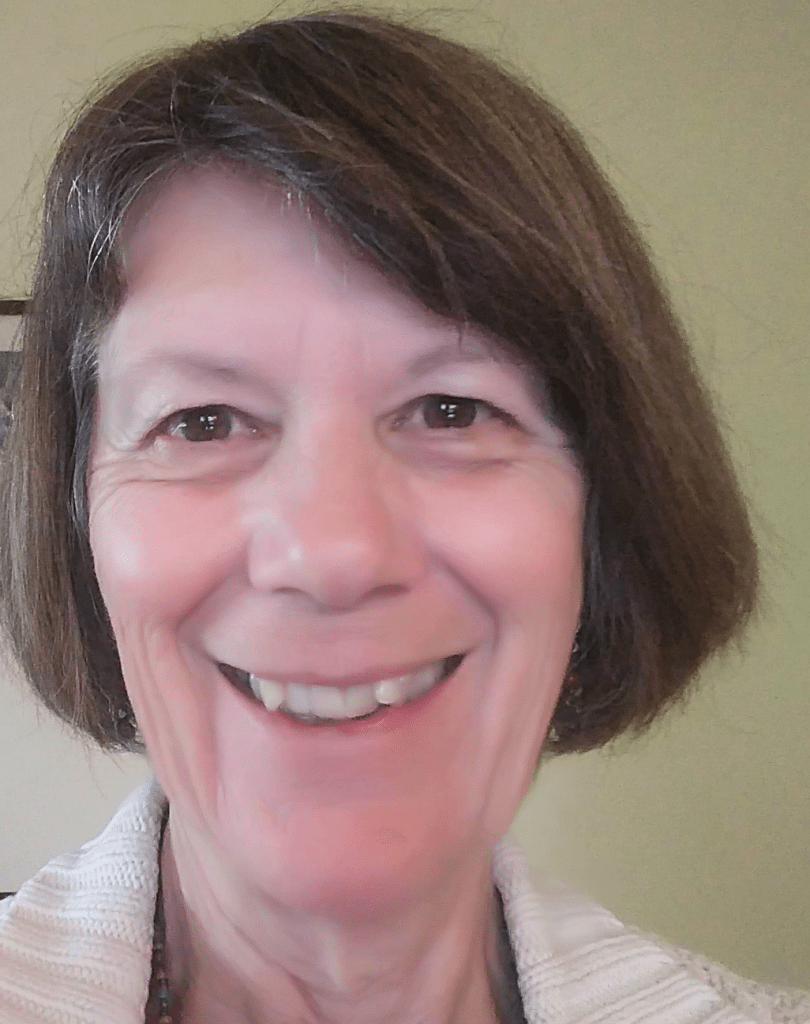
Featured Writer: Joy Krinsky

Sacred Text

Published July, 2023 in HerStry

Joy writes:


There are many stumbling blocks and barriers – real and imagined – on the path to publication submissions and acceptance. I am fortunate to have a writing teacher, Catharine, who shepherded our class through the process. And our cohort of students memoirists have been steadfast in our mutual support and encouragement.

According to my Submittable account, I have submitted only 13 times since Spring of 2021, so I feel very fortunate to have received my first acceptance! (Side note: I always try to have some piece or other still out there being considered so that when the next rejection arrives, there is always a glimmer of “hope” because another piece or two is already submitted.)

Once the thrill of the notification wore off – oh hell let’s face it… I don’t think that will happen any time soon! – having something so personal be available to anyone’s eyes at any time was a bit terrifying. I had about a week from notification to online publication. Initially I only notified a small circle of friends and family who were already familiar with some of my work. Prior to publication day, I made a list of all the people that I would notify and send a link to. I was slowly contemplating widening the “inner circle” of notification. On publication day, I began to circulate the link. First to my family. Then to my writing class (of course!!). Then gradually going down that list. My comfort level began to increase and by the evening, I took the plunge – I posted the link on my Facebook page. And in the weeks since publication, I continue to share the link with people I know or meet. Which is all to say… one of the unintended consequence of this experience has been pushing myself to begin to be comfortable having my writing in the world.

Sacred Text

Reb Nachman of Bratislav, the 18th century sage, wrote:

כל העולם כולו גשר צר מאוד והעיקר לא לפחד כלל

Kol ha’olam kulo gesher tsar m’od v’ha-ikar lo l’pakhad k’lal

The whole entire world is a very narrow bridge and the important thing is to not be afraid.

This narrow bridge, this gesher tsar, that I traverse is not about reaching the other side. There is no destination. Rather it is a span that separates, that distinguishes. It is a membrane. Between love and suffering. Between cleaving and releasing. Between knowing and the unknowable. Between the sacred and the profane.

There’s an unsent text on my phone.

These were the final words that David wrote. Almost as a postscript tagged to the end of his suicide note. Before composing the suicide note, it would seem that he composed a text, and did not hit send. And he is the only one who ever would know what it said.

This decision, this conscious choice, to compose a text, and not send it, and then notify me in the suicide note, holds significance. Something to be read by me. My eyes only. Not included in the note. Yet not to be “received” prior to our discovery of his body.

My imagination and inner amateur sleuth asks, “why?” on the way to the question of “what?”

Why not write a separate letter to me on paper, secreted somewhere that he knew I would find it, knowing I would be able to discover it. Why did he take for granted the reliability of our devices, of technology, of the ether. And why not send it? One stroke of the thumb. It was deliberate. He made the decision. He states it. What more did he have to say? What private message that was not to be included in the more public handwritten note?

So began the hunt, and the haunt. Searching for the “what.” Detective G was the first to have discovered and read the note. Because of the reference to an “unsent text,” police protocol required that they remove David’s phone and iPad in order to search for this text. If he had written, “The laundry is in the dryer,” would they have gone to the basement to check? I always wonder what they were looking for and why. A few days later I met Detective G at the downtown station to retrieve the devices. They hadn’t been able to locate anything.

I, too, tried to locate this unsent text. I looked through all the apps: Text. WhatsApp. Draft email. Notes. Memos. Lists. Reminders. Google docs. Facebook DM. I exhausted all the possibilities I knew of. All to no avail.

There was no text ever found on any devices.

As the second year passed, and the gnawing of unanswered and unanswerable questions persisted, I even consulted a forensic digital private investigator. Perhaps, I wondered, there is a means to retrieve the keystrokes? Or is it possible, I queried further, that something was automatically backed up to the cloud? There might be some method to look through all the data of the phone. However exorbitant fees and likely zero chance of success put this inquiry to rest.

Indeed, there is no record of any unsent text except in the postscript of a dead man.

The important thing—ha-ikar—these last words, or next to last, take on greater significance because they cannot be read. They are the most elusive—slipping through my fingers before I could know them. I will never know for certain. But the invisible, the intangible, the important, these paramount words of the text. I can only imagine and dream.

I see David’s thumbs on the phone keyboard, those thumbs that wielded knives in a life of food service, and those thumbs that inserted catheters and breathing tubes in a life of nursing care, and changed diapers and clung to children’s hands, and grasped paintbrushes and manipulated wire and twine and plaster sculpting materials, and those thumbs that clutched a pen for the last time, and emptied a bottle or multiple bottles, how many bottles of pills. Those thumbs created one last missive.

And we are without him. And we are without those words. The text is everything and holds everything and yet is unknowable.

Much as the divine. As the name of God. We can not pronounce it. But still we recognize it, and we sanctify that name in the acts that we do. Our acts are sacred.

All that is left is space. And silence. Sacred space. And sacred silence.

Of the lingering pains, and ongoing questions, the unsent text is one that continues to sear my flesh.

Perhaps I have not truly exhausted all possibilities and resources. I keep David’s phone in a safe place and for the most part untouched. Maybe someday they will invent a technology to recover those key strokes. And I don’t want to have polluted the record with too much usage.

And like when you are looking for something in the bottom of your black book bag or purse. You look ninety-nine times and can’t find it. And then weeks later, on the one hundredth time—Aha! Hineini. Here I am. There is that key or pen or coin or token or lost earring. So, too, I imagine one day I will charge that phone again and—Hineini —the text will appear.

There is a common sentiment expressed to the grieving: You will get through this. I find no comfort in that. Indeed, I have no desire to get through anything. This is the place that I am. I peer to one side of this gesher tsar, this bridge that is oh, so narrow. I graze with my fingertips this hopelessness and eternal frustration. This struggle to accept the searing feeling of the unknowable. This untouchable thing that is too hard to let go of and keeps me suspended—reaching toward and away at the same time.

And to the other side, a flickering firmament burns, and I know it has been near, and I am certain, too, that in my proximity to the unknowable, I have almost touched the sacred.

V’ha-ikar lo l’pakhad k’lal. And the important thing is to not be afraid.

-Joy E. Krinsky